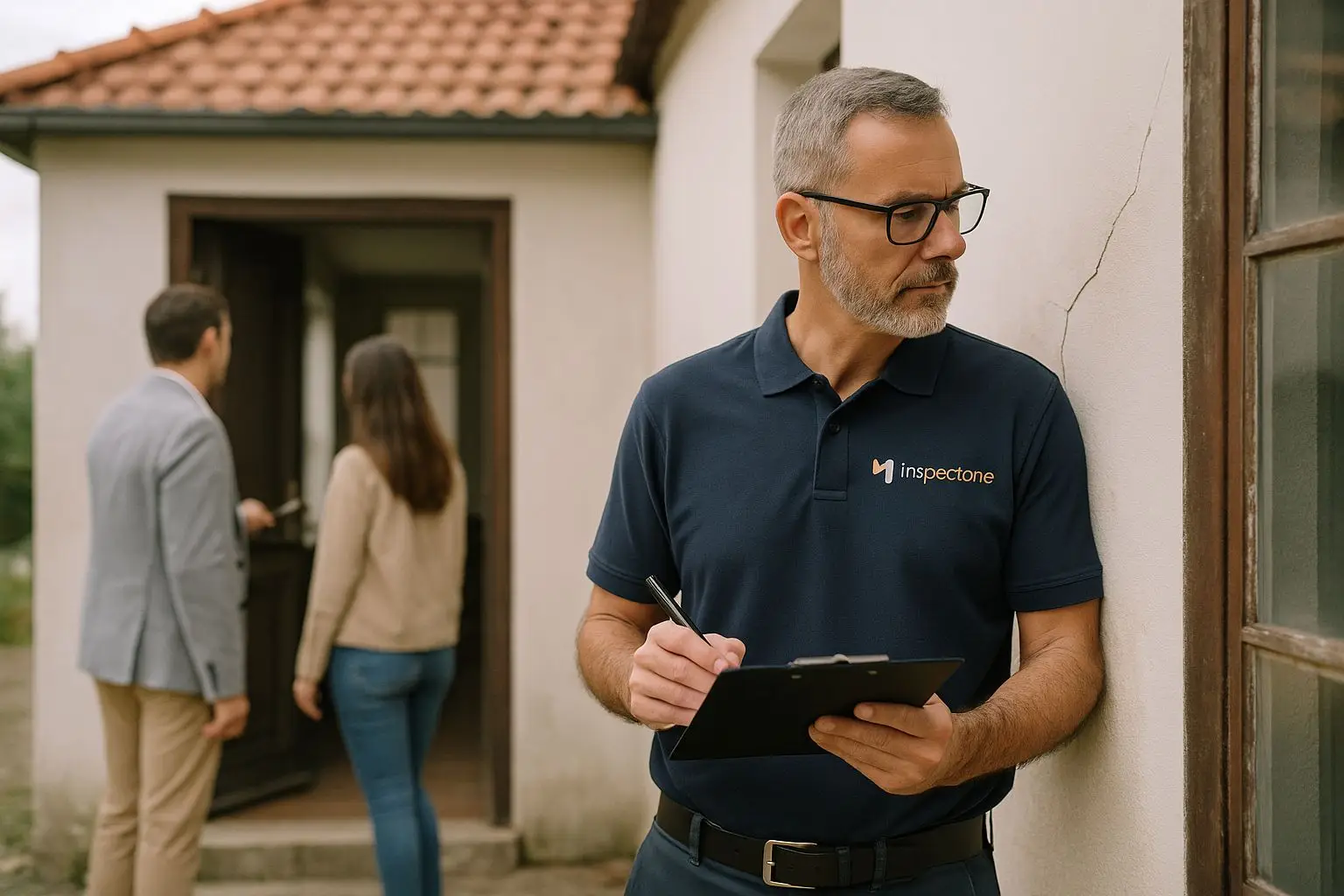
Introduction
Buying a house in Portugal is a process that involves rigorous legal and financial steps. Many buyers, especially foreigners, are unaware of these procedures and end up facing unpleasant surprises: missing documents, debts associated with the property or structural problems that only appear after the deed has been signed.
In this article, we explain in simple terms the main legal steps involved in buying a property in Portugal – and show where an independent technical inspection becomes decisive.
Step 1: Collect documentation and check legality
Before moving forward, it’s essential to confirm:
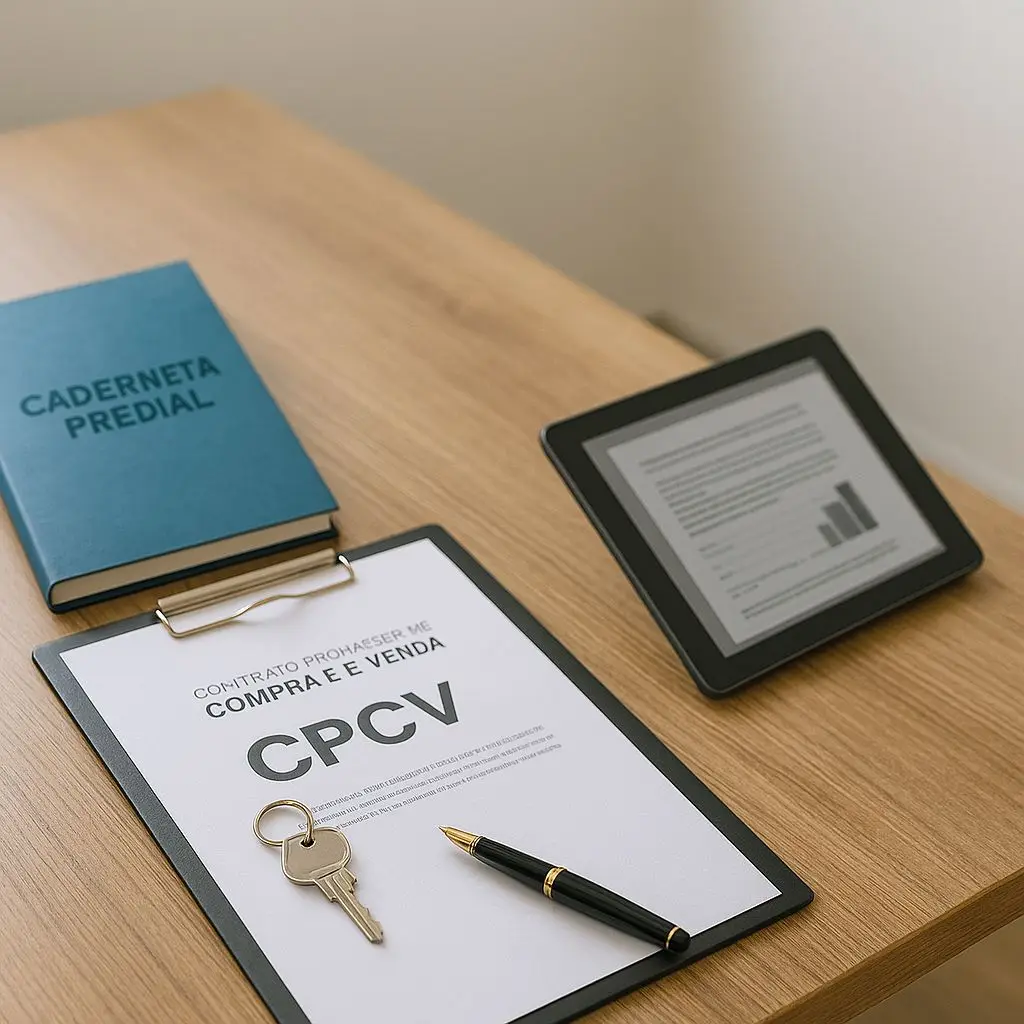
- Caderneta predial urbana (finance)
- Land registry certificate (conservatory)
- License to use
- Housing data sheet (for post-2004 properties)
- Tax situation and any liens, mortgages or associated debts
This is where the support of lawyers and solicitors comes in, who ensure that all the documents are correct.
Step 2: Sign the CPCV (Contrato-Promessa de Compra e Venda)
The CPCV formalizes the commitment between buyer and seller, usually with a down payment.
This is when many buyers rush into things.
Common risk: signing the CPCV without knowing the real state of the property. If you later discover serious infiltrations due to a lack of thermographic inspection, structural problems or hidden works, you will already have legal commitments.
Solution: carry out the technical inspection before the CPCV, in order to have objective bases for negotiation or, if necessary, withdraw from the deal.
Step 3: Public deed and final registration
The public deed is drawn up before a notary or lawyer and makes the transfer of ownership official.
After the deed, the final registration must be made at the Land Registry Office.
What many people don’t know:
Even at this late stage, it may be too late to correct technical or legal problems with the property.
Where does the technical inspection come in?
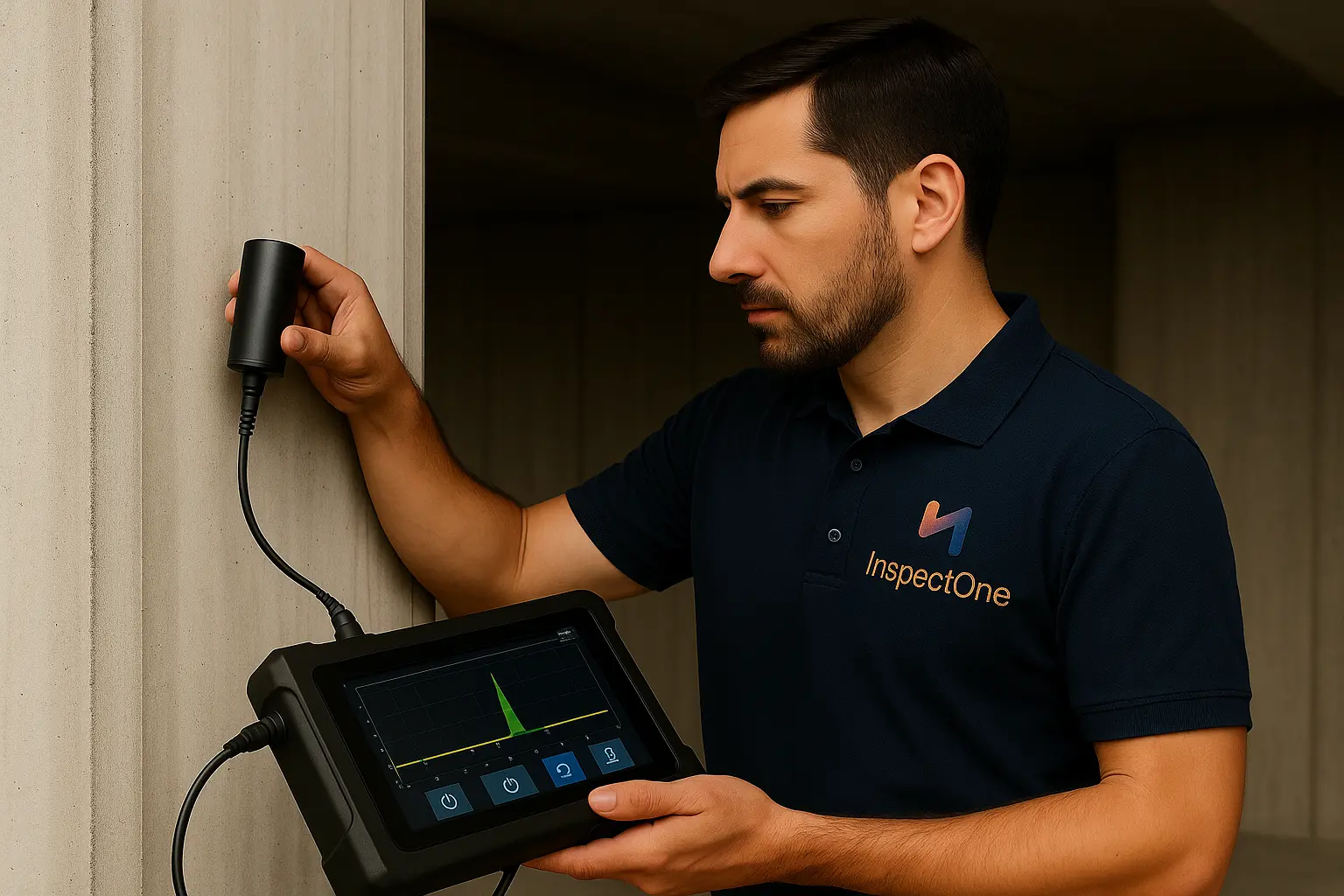
The technical inspection must be carried out before the CPCV or, at the latest, before the deed.
It allows it:
- Confirm the real condition of the property
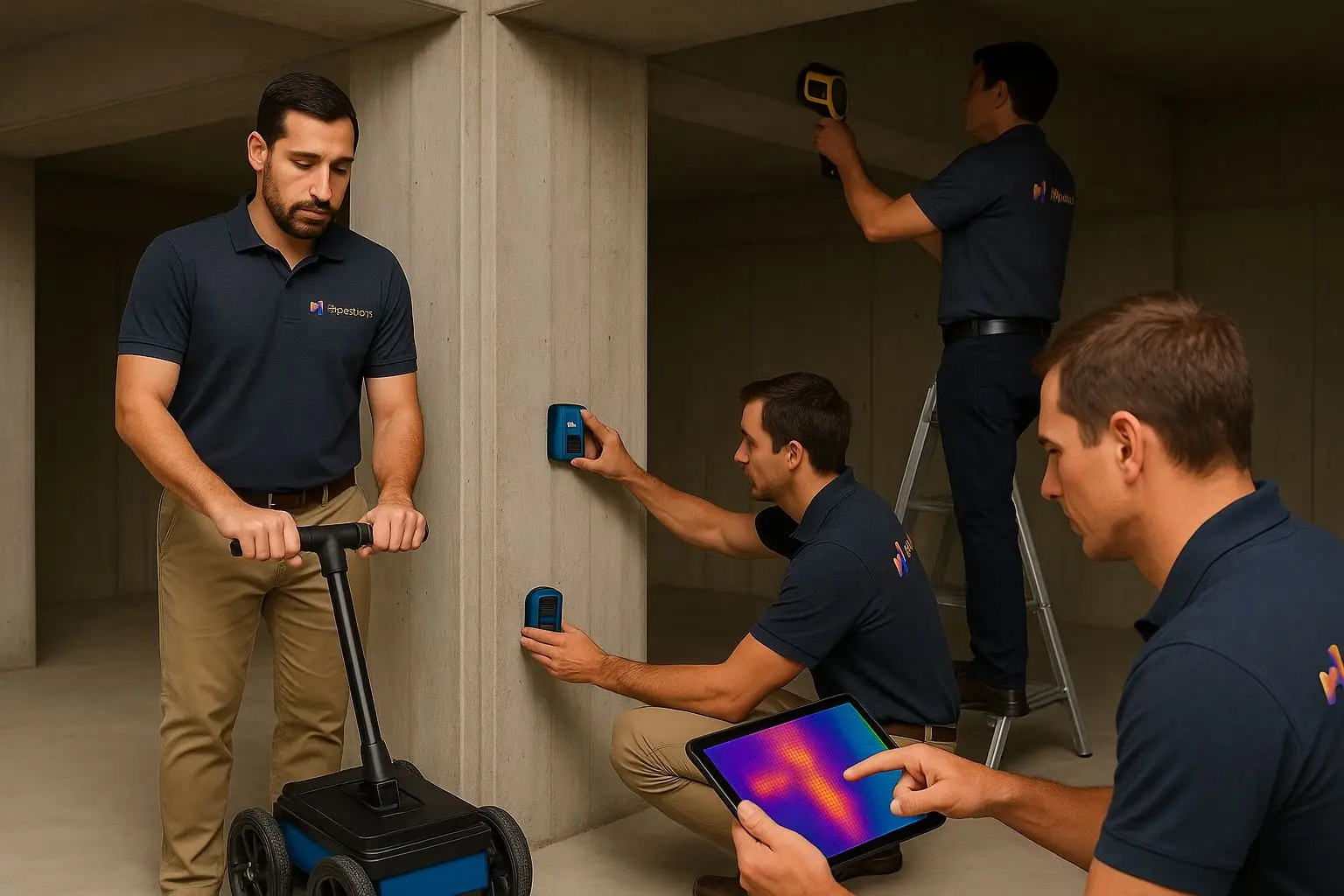
- Identify hidden problems (damp, cracks, roofs, plumbing)
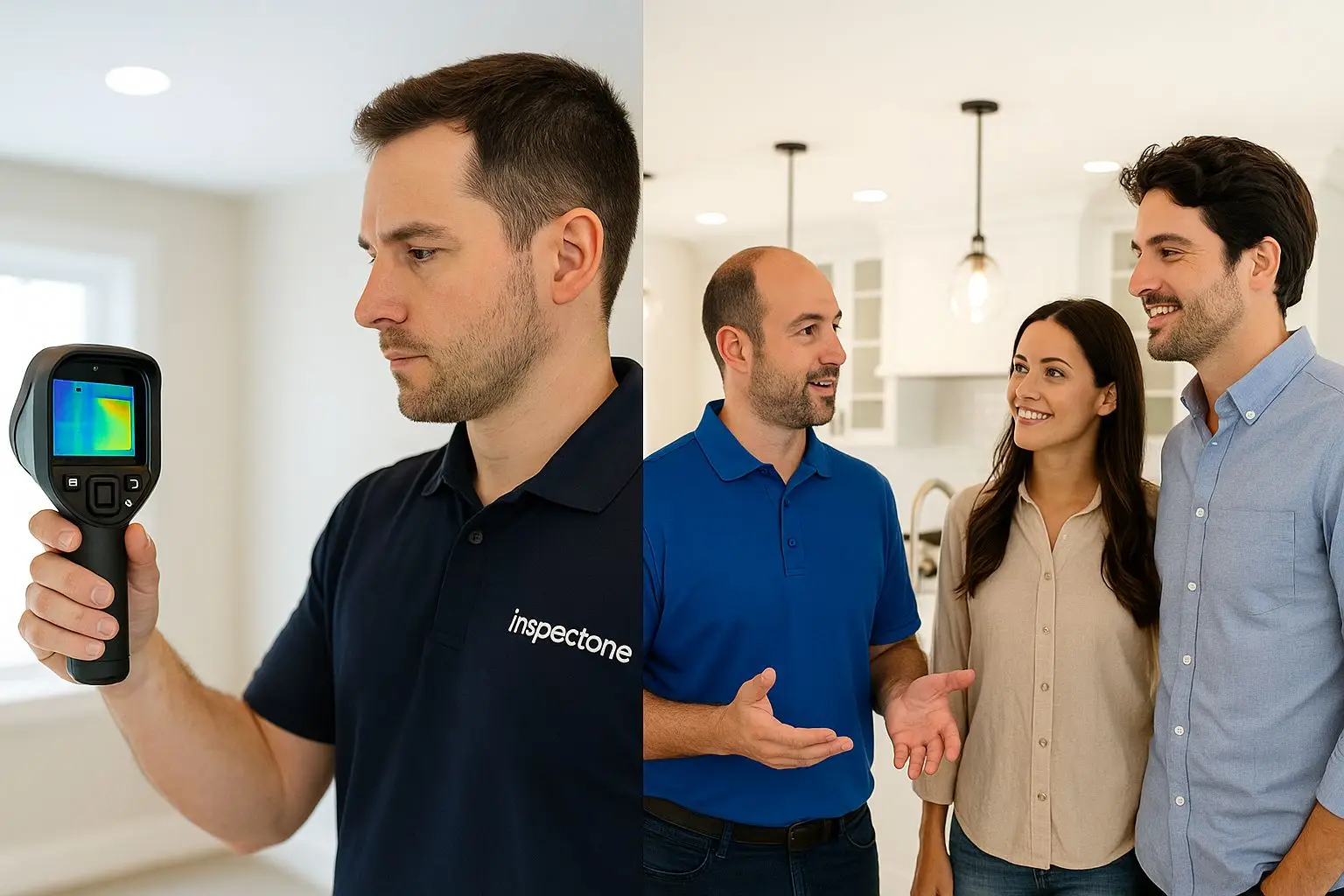
- Support the lawyer/solicitor with an independent technical report
- Help negotiate the price
- Avoiding future disputes
Technical inspection vs. bank report
- Bank report: assesses the commercial value of the property for credit, not the technical condition
- Technical inspection: assesses physical and structural condition, protecting the buyer
Therefore, one does not replace the other. The Bank does not assume responsibility, you do.
Conclusion
Buying a house in Portugal is more than just signing papers. It’s ensuring that the property is safe, legal and free of surprises.
InspectOne supports Portuguese and foreign buyers throughout the country and abroad with:
- Independent technical reports
- Pre-CPCV support
- Specialized team of engineers and technicians
- National action