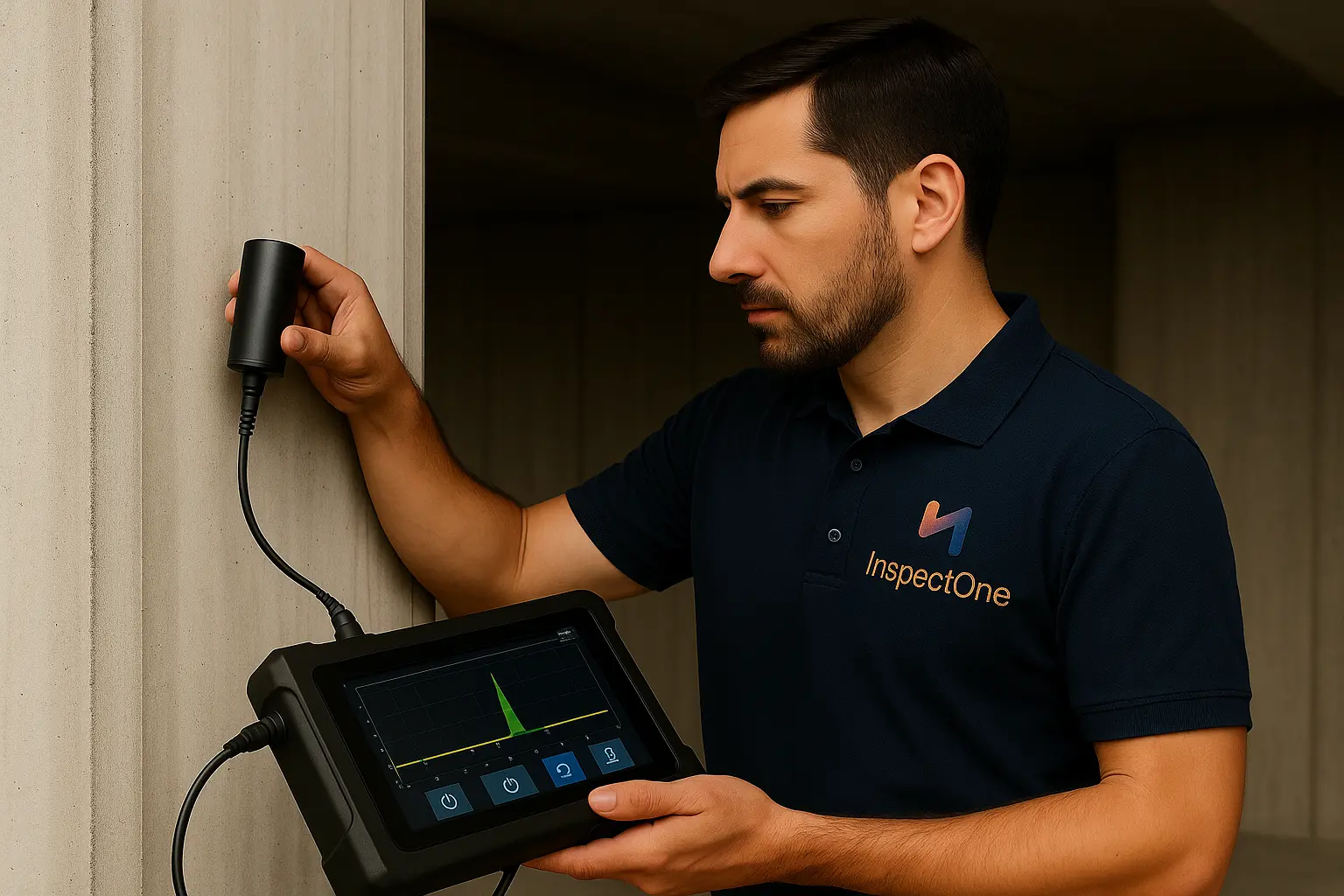
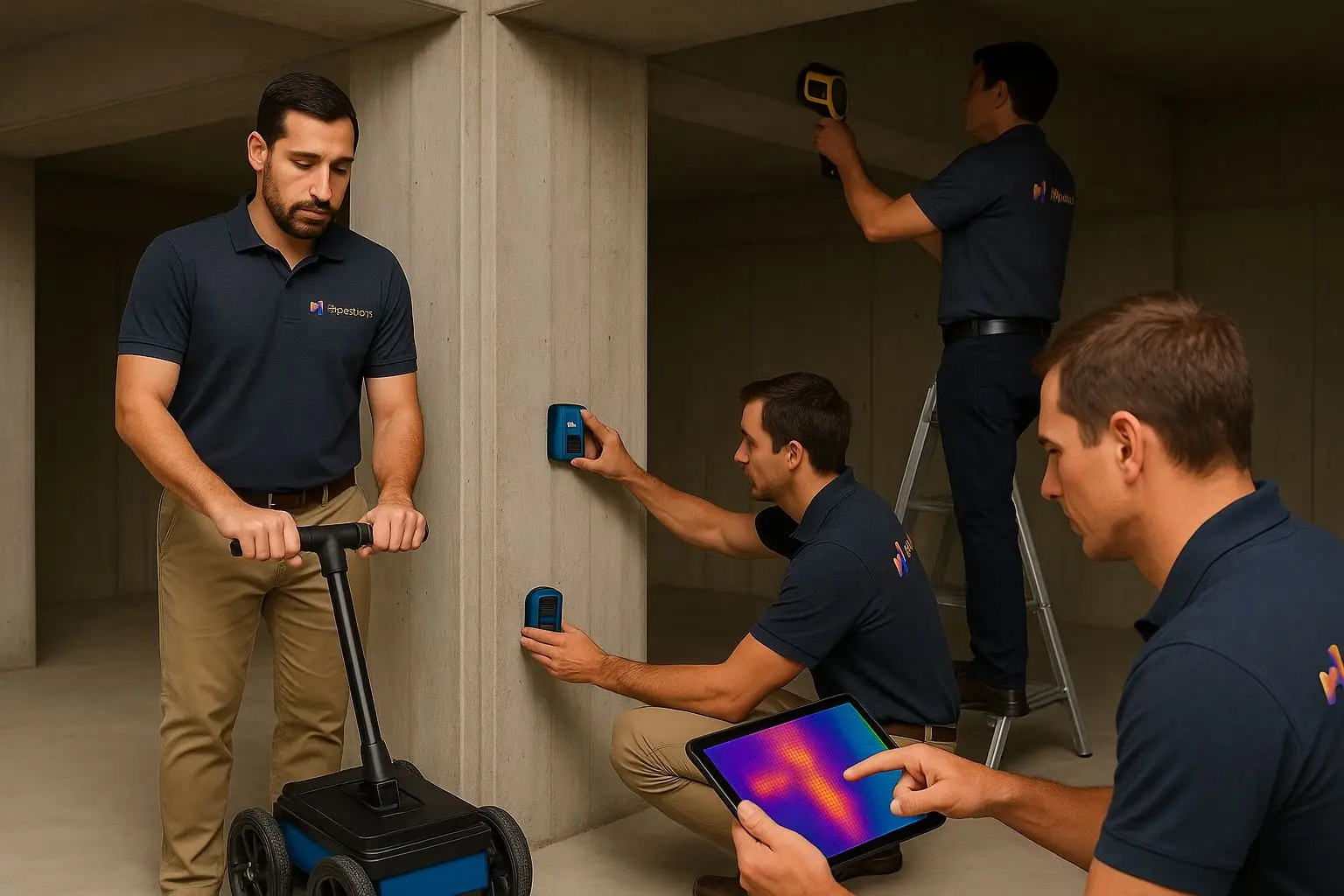
In Portugal, there is no general and universal obligation to carry out periodic structural inspections on all existing buildings (as is the case, for example, with mandatory technical inspections of vehicles). However, there are situations in which a structural inspection is legally required or strongly recommended, depending on the type of intervention or the state of the building:
1. Situations in which it is mandatory
Rehabilitation, alteration or extension projects
- According to the Legal Regime for Urbanization and Edification (RJUE) – DL no. 555/99, and the Safety and Actions Regulation for Building and Bridge Structures (RSAEEP) and Eurocode 8, whenever there are structural changes (reinforcements, removal of load-bearing walls, changes in loads, etc.), a prior structural assessment is mandatory.
- This assessment must be carried out by a civil engineer with a specialty in structures, who produces a technical inspection and structural diagnosis report.
- Buildings showing signs of degradation, pathologies or safety risks
- Under the General Regulations for Urban Buildings (RGEU, articles 64 to 67), owners are obliged to keep buildings in a good state of repair and safety.
- If there are cracks, deformations, leaks, corrosion of reinforcement or other signs of risk, the municipality can demand a structural inspection and technical safety report.
Public, school, health or collective use buildings
- In some cases, there are specific regulations (for example, in schools or hospitals) that require periodic technical inspections to guarantee structural and seismic safety conditions.
2. Recommended situations (not mandatory, but good practice)
- Before buying old buildings, especially those dating back to 1980, it is wise to carry out a structural inspection and pathology survey.
- In energy rehabilitation (ETICS, roofs, solar panels, etc.), it is recommended to assess the existing structural capacity before adding additional loads.
- After earthquakes, fires, floods or neighboring works, a structural assessment is essential to ensure stability.
3. Results and documentation
The structural inspection must culminate in a Structural Inspection Technical Report, which includes:
- Survey of the state of conservation and pathologies;
- Evaluation of resistant materials and structures;
- Recommendations for monitoring, reinforcement or rehabilitation;
- Photographic record and, if applicable, measurements (cracks, deformations, non-destructive tests, etc.).